
Nestled in the heart of Cherry Hill, Barclay stands out as a neighborhood with deep historical roots, charming streets, and a sense of community that endures through the decades. For locals and newcomers alike, the story of Barclay is woven from the landscape itself—from its earliest days as farmland to its emergence as a warm, welcoming suburban haven.
The Origins of Barclay: From Farmland to Flourishing Neighborhood
Barclay’s story begins long before Cherry Hill even adopted its now-famous name. In the 19th and early 20th centuries, much of what is today’s Barclay neighborhood was fertile farmland. The lush fields and gentle woods—and especially the land that would become Barclay Farm—were owned by generations of Quaker families. The area still honors this agricultural legacy, especially with the preservation of landmarks like the Barclay Farmstead.
How Barclay Got Its Name
One of the most distinctive features of Barclay is its name, which traces back to the historic Barclay Farmstead. Built in 1816 by Joseph Thorn, the farmhouse and its surrounding estate were later purchased by the Evans family. In the mid-20th century, as Cherry Hill began to grow, community leaders chose to honor this piece of living history by naming the new residential area “Barclay.” To this day, the Barclay Farmstead on East Gate Drive remains a centerpiece—serving as both a museum and a gathering spot for local events.
Key Historical Milestones
Over the decades, Barclay has seen significant transitions—all while managing to preserve its unique character. Key milestones include:
- 1950s–1960s: Residential Development. With the explosive postwar growth of suburban New Jersey, Cherry Hill began transforming from rural township to bustling suburb. Developers saw great potential in the wide, rolling acres of Barclay Farm. Streets like Covered Bridge Road, Pearlcroft Road, and Forge Road quickly filled with newly built homes—many reflecting the popular ranch and split-level midcentury architectural styles.
- 1970s: Establishment of Community Spaces. Recognizing the importance of green spaces and gathering places, Barclay welcomed the creation of parks and recreation areas. Barclay Farmstead Park, with its peaceful trails and historical farmhouse, became a neighborhood jewel.
- 1980s–1990s: Investment in Education and Civic Life. As Cherry Hill’s population grew, so did its commitment to quality schooling. Barclay Early Childhood Center on Covered Bridge Road, set in the heart of the neighborhood, continues to serve generations of young learners and families.
- 2000s–Present: Emphasis on Preservation and Community Events. In more recent years, residents have worked hard to retain the neighborhood’s heritage. The Friends of Barclay Farmstead, for example, play an active role in maintaining the farmstead and organizing popular events like the annual May Fair and Living History Days.
Notable Landmarks and Buildings
Barclay isn’t just any suburb—it’s a place where history stands side-by-side with daily life. Key sites to discover include:
- Barclay Farmstead (209 Barclay Lane, off East Gate Drive): This 19th-century Quaker farmhouse is listed on the National Register of Historic Places. Today, its doors open to tours, educational programs, and festivals. Stroll the walking trails, visit the newly restored gardens, or attend a workshop on local crafts—there’s a sense of stepping back in time.
- Barclay Farmstead Trail: Circling the farmstead, this nature trail is a local favorite for birdwatching, quiet walks, and learning about native trees and wildflowers.
- Covered Bridge on Covered Bridge Road: A beloved local landmark, the picturesque covered bridge is both a popular photo stop and a nod to New Jersey’s rural past.
- Barclay Early Childhood Center: More than just a school, it’s an anchor for families, offering a sense of continuity and community.
- Barclay Park and Playgrounds: Winding green spaces along Forge Road and Pearlcroft Road provide plenty of room for outdoor fun and neighborly gatherings.
Life in Barclay: Past and Present
What truly distinguishes Barclay is its enduring spirit of community. Even as the neighborhood has grown and adapted to modern life, there is a sense of connection that binds residents.
- Community Events: Annual gatherings like the Barclay Farmstead May Fair, holiday concerts, and summer craft markets reflect a tradition of neighbors coming together.
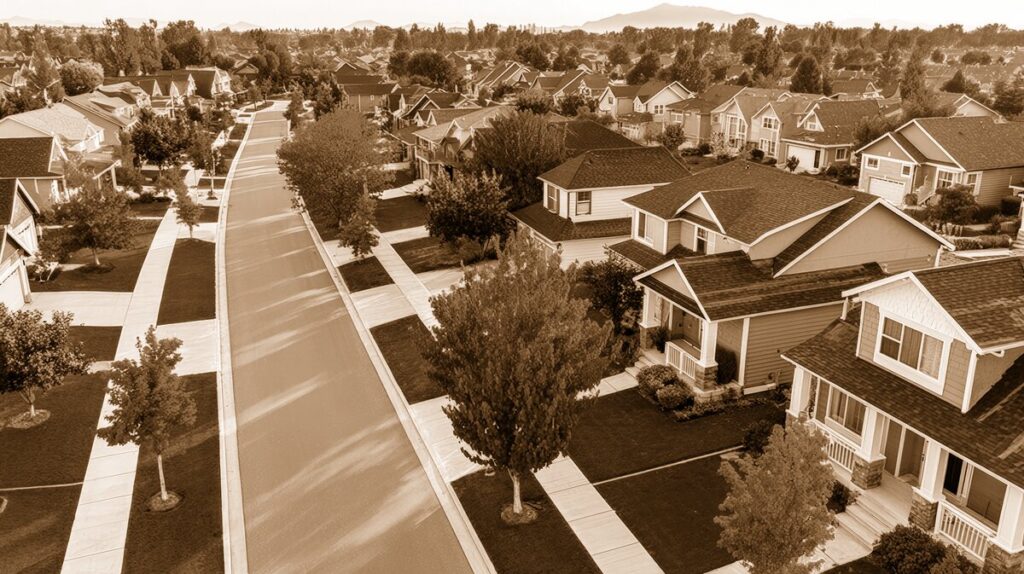
- Architecture and Ambiance: Drive down Lantern Lane or Balsam Road, and you’ll see well-preserved midcentury homes with large lots, mature trees, and garden beds—hallmarks of Barclay’s postwar design.
- Sense of Safety and Belonging: With walkable sidewalks, friendly neighbors, and a mix of longtime residents and new families, there’s a palpable warmth that defines the neighborhood.
Evolution Through the Decades
Barclay has changed in thoughtful ways. Where children once played in grassy lots that were former cow pastures, now you’ll find landscaped lawns and carefully planned playgrounds. Elementary schools have adapted to changing educational priorities, becoming centers for innovation while staying rooted in community values.
Residents cherish the juxtaposition of old and new—historic farmstead weekends mixed with spirited block parties, or stately 19th-century barns just a short stroll from modern homes.
Welcoming the Future, Honoring the Past
Today, Barclay remains one of Cherry Hill’s most sought-after neighborhoods, not just for its location and amenities but for its spirit. The legacy of Barclay Farm, the trees that have stood for a century, the laughter that fills Barclay Farmstead Park each spring—all contribute to a heritage that is carefully preserved for generations yet to come.
Ask any Barclay resident what makes their corner of Cherry Hill special, and you’ll hear stories of neighborhood picnics, school traditions, or quiet winter nights walking near the farmhouse with holiday lights aglow. Barclay’s magic lies in its ability to honor the past while embracing the future—a testament to the strength and continuity of this unique Cherry Hill neighborhood.